
Health insurance can feel overwhelming for beginners. With so many terms, policies, and coverage options, it’s easy to feel lost. However, understanding the basics can help you make better decisions for your healthcare and financial well-being. Health insurance isn’t just a legal requirement in many places it’s a safety net that protects you from high medical costs. This guide breaks down the essentials, helping you choose the best plan for yourself and your family.
🏥 What is Health Insurance?
At its core, health insurance is a contract between you and an insurance provider. You pay a monthly premium, and in return, the insurance company helps cover medical expenses. This can include doctor visits, hospital stays, surgeries, medications, and preventive care.
Why it matters: Health insurance allows you to access care without financial strain. Instead of worrying about unexpected medical bills, you can focus on staying healthy.
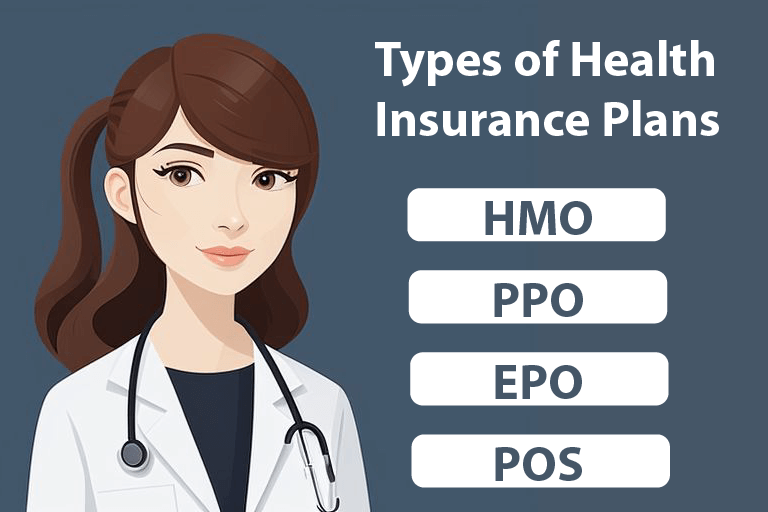
📋 Types of Health Insurance Plans
There are several common types of health insurance plans, each with unique features and flexibility. Understanding these helps you select the plan that best fits your needs:
- HMO (Health Maintenance Organization): Coverage is within a specific network of doctors and hospitals. Referrals are typically needed to see specialists.
- PPO (Preferred Provider Organization): Offers more flexibility, allowing visits to any doctor, though you save more by staying in-network.
- EPO (Exclusive Provider Organization): Similar to PPO but only covers services within the network, except emergencies.
- POS (Point of Service): Combines HMO and PPO features, requiring referrals but allowing out-of-network care at higher cost.
Why this matters: Choosing the right plan type ensures your lifestyle and budget are supported, avoiding unexpected costs.

💰 Understanding Health Insurance Costs
Health insurance includes more than just monthly premiums. Here’s a breakdown:
- Premium: Monthly payment to keep coverage active.
- Deductible: Out-of-pocket amount you pay before insurance starts covering costs.
- Co-payments & Co-insurance: Fixed amount (co-pay) or percentage (co-insurance) you pay for services after meeting your deductible.
- Out-of-Pocket Maximum: The most you’ll pay in a year for covered services, after which insurance covers 100%.
Tip: Always review all costs before selecting a plan to avoid surprises.

🏥 In-Network vs. Out-of-Network Providers
Most insurance plans have a network of healthcare providers. In-network providers offer services at reduced rates, while out-of-network care usually costs more. Checking if your preferred doctors and hospitals are in-network can save you significant money.
Why this matters: Staying in-network helps manage healthcare expenses and keeps medical costs lower.
🩺 Preventive Care and Coverage Benefits
Many health insurance plans cover preventive care at no extra cost. This includes routine check-ups, screenings, vaccinations, and wellness services. Preventive care helps catch potential health issues early, saving money and improving overall health.
Common preventive services covered:
- Annual physical exams
- Immunizations (e.g., flu shots)
- Screenings (e.g., cholesterol, blood pressure)
Tip: Take advantage of free preventive services to maintain health and avoid expensive treatments later.
Simple Evening Routines to Help You Sleep Better and Wake Refreshed
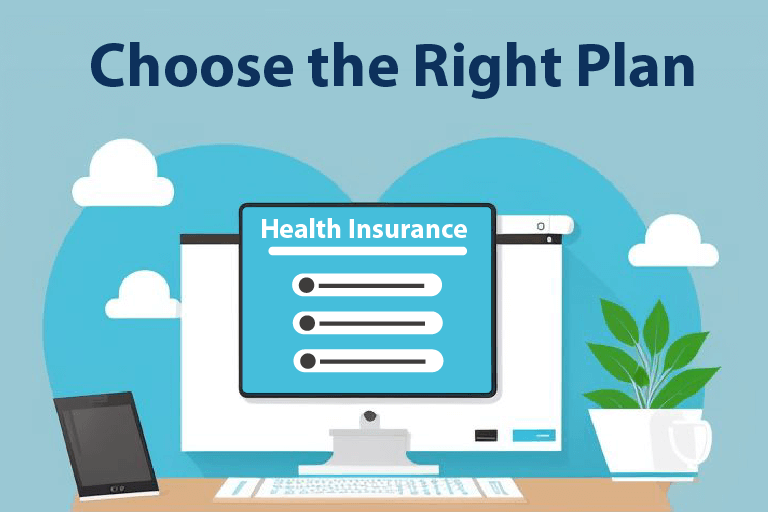
✅ How to Choose the Right Health Insurance Plan
Choosing the best plan depends on your needs, budget, and lifestyle. Here’s a step-by-step approach:
- Evaluate Your Needs: Consider age, health status, and regular prescriptions.
- Calculate Costs: Look beyond premiums to assess deductible, co-pays, and out-of-pocket maximum.
- Check the Network: Ensure preferred doctors and hospitals are included.
- Consider Extra Benefits: Some plans offer telemedicine, mental health services, or wellness programs.
Reminder: The right plan balances coverage and affordability. Don’t select based solely on the premium; consider the total cost and benefits.
🌟 Conclusion
Understanding health insurance doesn’t have to be intimidating. By learning the basics, comparing plans, and evaluating your personal needs, you can select a plan that provides the right coverage at an affordable price. Health insurance is a vital tool for managing healthcare expenses and protecting yourself from unexpected medical costs. Take your time, ask questions, and choose wisely.
“Ready to take the first step? Start your fitness journey today by committing to one of these habits, and be sure to check out our upcoming blog posts for more tips and personalized workout plans!”
Explore related guides and tips: